
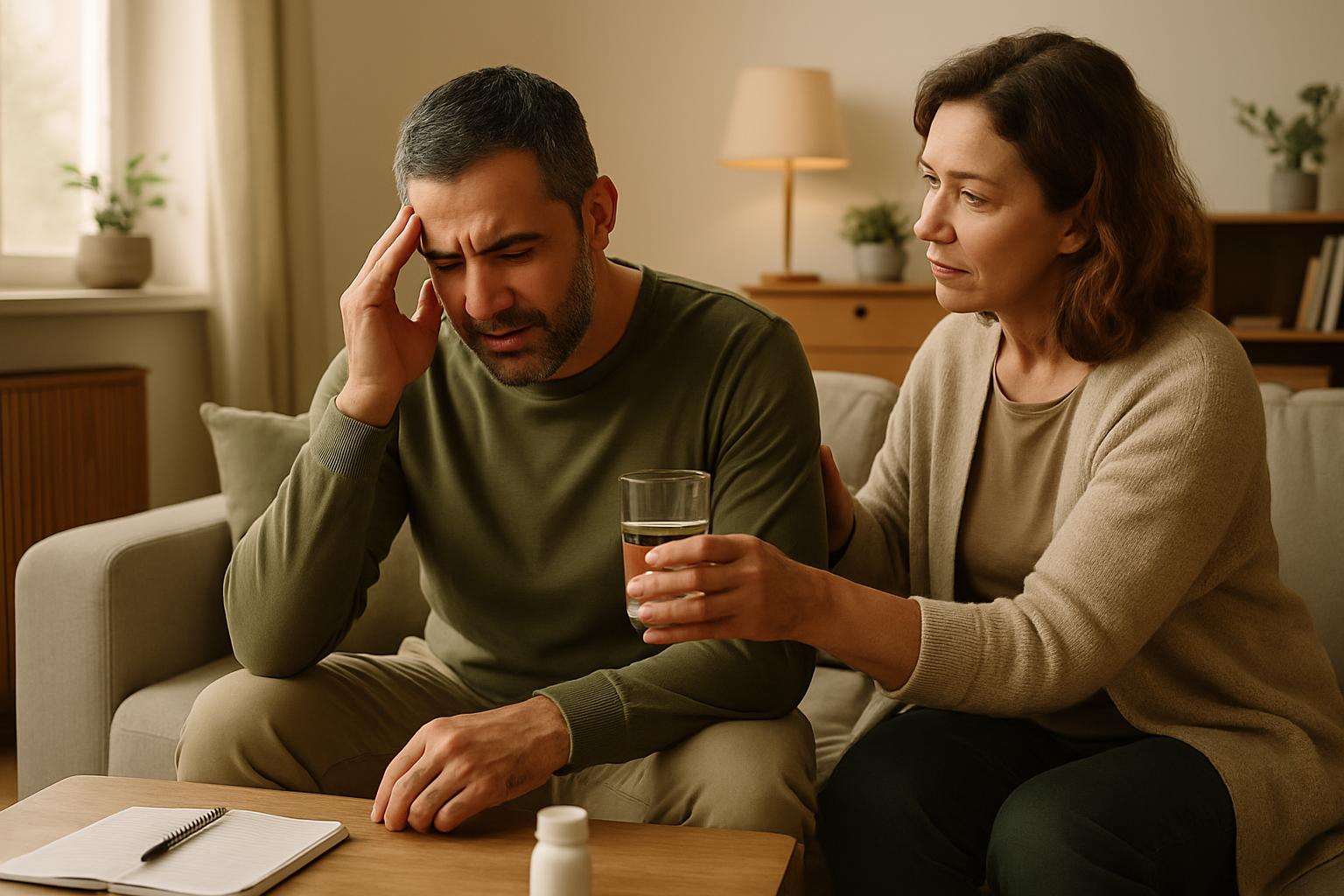
Completing opiate withdrawal is a significant step, but it is only the beginning of the recovery process. Once the immediate physical symptoms start to ease, many people face a new set of challenges, including cravings, emotional stress, disrupted routines, and uncertainty about the future. Without continued support, these challenges can increase the risk of returning to opioid use. The right recovery plan can help individuals rebuild their health, address underlying concerns, and develop the skills needed for lasting change. For people recovering from opiate addiction in Western Canada, understanding the support available after detox is an important part of moving forward safely.
Why Recovery Support Matters After Opiate Withdrawal
Opiate withdrawal happens when the body adjusts to the absence of opioids after developing physical dependence. Symptoms may include muscle aches, nausea, sweating, anxiety, insomnia, and strong cravings. Although the most intense physical symptoms often improve over time, recovery does not end when withdrawal subsides.
Addiction affects the brain, behaviour, relationships, and emotional well-being. A person may still experience cravings or struggle with the circumstances that contributed to substance use. Stress, unresolved trauma, depression, anxiety, and exposure to familiar triggers can make early recovery especially difficult.
Continued treatment provides structure during this period. It also helps individuals recognize warning signs, make informed decisions, and develop healthier ways to respond to difficult situations.
The Importance of Continuing Care
Detox focuses primarily on withdrawal management. Continuing care addresses the longer-term needs associated with opioid use disorder.
A recovery plan may include:
- Medical follow-up and medication management.
- Individual counselling and behavioural therapy.
- Mental health treatment for co-occurring conditions.
- Peer support and recovery groups.
- Family education and relationship counselling.
- Relapse prevention planning.
- Healthy lifestyle habits and community involvement.
The appropriate combination depends on the person’s health, history of opioid use, support network, and treatment goals.
Medical Support After Opiate Detox
Medical care remains important after withdrawal, particularly for people with a history of long-term opioid use or repeated relapse. A healthcare professional can assess ongoing symptoms, discuss treatment options, and help reduce the risks associated with returning to opioid use.
Medication Treatment for Opioid Use Disorder
Medication can be an important part of long-term recovery. Methadone and buprenorphine are established treatments that help reduce cravings and withdrawal symptoms. They can also support greater stability, allowing individuals to focus on counselling, relationships, work, and other responsibilities.
Naltrexone may be appropriate for some people after a suitable medical assessment and the required opioid-free period. It works differently from methadone and buprenorphine, so a healthcare professional must determine whether it is a suitable option.
These medications are not a sign of failure or a substitute for personal effort. They are evidence-based treatments that can help people manage opioid use disorder. Health Canada recognizes medication-based treatment as an important part of care for opioid addiction. <Cite refs={[“turn831990search1″,”turn831990search0”]}/>
Understanding the Risk of Overdose After Withdrawal
One of the most serious concerns after detox is reduced opioid tolerance. When someone stops using opioids, their body becomes less accustomed to the substance. Returning to a dose they previously used can cause an overdose, even if that amount once seemed familiar.
People leaving withdrawal management should discuss overdose prevention with a healthcare professional. This may include access to naloxone, education about recognizing overdose symptoms, and a clear plan for getting emergency help.
If an overdose is suspected, call 911 immediately and administer naloxone if available. Do not leave the person alone while waiting for emergency responders.
Mental Health Treatment and Emotional Recovery
Physical withdrawal is only one part of opioid addiction. Many people also need support for anxiety, depression, trauma, grief, or other mental health concerns.
In some cases, substance use begins as an attempt to manage emotional pain. Opioids may temporarily reduce distress, but dependence can eventually create additional problems. After detox, those underlying concerns may become more noticeable.
Addressing mental health during recovery can help individuals understand their experiences and develop healthier responses to stress.
Individual Counselling
Individual counselling provides a private setting to discuss personal challenges with a trained professional. Therapy can help people identify the situations, emotions, and thought patterns connected to substance use.
Counselling may focus on:
- Recognizing personal triggers and cravings.
- Developing practical coping strategies.
- Addressing trauma and unresolved emotional concerns.
- Improving confidence and decision-making.
- Setting realistic recovery goals.
- Building skills to manage stressful situations.
Cognitive behavioural therapy and other evidence-based approaches can help individuals recognize unhelpful patterns and practise healthier behaviours.
Treating Co-Occurring Mental Health Conditions
Some people experience opioid use disorder alongside depression, anxiety, post-traumatic stress, or other mental health conditions. This is often described as a co-occurring disorder or dual diagnosis.
When both conditions are present, treatment should address them together. Ignoring mental health symptoms can make recovery more difficult, particularly when emotional distress contributes to cravings or substance use.
A coordinated treatment plan may include medical care, psychiatric assessment, counselling, and appropriate medication when prescribed.
Choosing Between Inpatient and Outpatient Recovery Support
After opiate withdrawal, the next level of care should reflect the person’s needs and living circumstances. Inpatient and outpatient treatment offer different forms of support, and neither option is automatically right for everyone.
Inpatient and Residential Treatment
Inpatient or residential treatment provides a structured environment where individuals can focus on recovery with regular professional support. Depending on the provider, services may include counselling, group sessions, medical follow-up, mental health care, and relapse prevention education.
This level of care may be suitable for people who:
- Have experienced repeated relapses.
- Need distance from environments associated with opioid use.
- Have limited support at home.
- Are managing significant mental health concerns.
- Benefit from a consistent daily treatment schedule.
Before entering a residential program, ask about its clinical services, staff qualifications, treatment methods, and continuing care arrangements.
Outpatient Treatment
Outpatient treatment allows individuals to attend scheduled appointments while living at home. Services may include individual therapy, group counselling, medication management, and regular progress assessments.
This approach may work well for people with a stable living environment and the ability to attend appointments consistently. It can also help individuals practise recovery skills while managing everyday responsibilities.
Some providers offer more intensive outpatient services with frequent appointments and structured programming. A healthcare professional can help determine whether outpatient treatment provides sufficient support.
Building Healthy Habits After Withdrawal
Recovery involves more than avoiding opioids. It also means creating daily routines that support physical health, emotional balance, and personal stability.
During active addiction, sleep, nutrition, exercise, and relationships may have been neglected. Rebuilding these areas can take time, but small and consistent changes can make everyday life more manageable.
Nutrition, Sleep, and Physical Activity
Regular meals, adequate hydration, and a consistent sleep schedule can support general health during recovery. Gentle physical activity, such as walking or stretching, may also help improve energy and reduce stress.
There is no need to make every change at once. Setting manageable goals is often more sustainable than following a demanding routine immediately after detox.
For example, someone might begin by preparing regular meals, taking a short daily walk, and establishing a consistent bedtime. Over time, these habits can become part of a healthier lifestyle.
Developing Stress Management Skills
Stress is a common challenge during early recovery. Learning how to respond without relying on opioids is essential.
Useful strategies may include:
- Practising breathing exercises or mindfulness.
- Keeping a journal to identify emotional patterns.
- Spending time outdoors.
- Maintaining regular contact with supportive people.
- Participating in hobbies and meaningful activities.
- Discussing difficult emotions with a counsellor.
These practices complement professional treatment. They should not replace medical or psychological care when it is needed.
Family, Peer, and Faith-Based Support
Recovery can become easier to maintain when individuals have people they can turn to during difficult periods. However, rebuilding trust and relationships often takes time.
Family members may need education about opioid addiction, withdrawal, and relapse prevention. Counselling can help everyone communicate more effectively, establish appropriate boundaries, and understand how to offer support without enabling harmful behaviour.
Peer support groups also provide a valuable connection with people who understand the challenges of addiction. Sharing experiences can reduce isolation and remind individuals that setbacks do not have to define their future.
For those who value spirituality, faith-based activities may provide additional encouragement, purpose, and connection. Prayer, spiritual guidance, and participation in a faith community can complement clinical treatment when they align with personal beliefs.
The most effective support plan respects individual preferences while maintaining access to qualified medical and mental health services.
Creating a Long-Term Relapse Prevention Plan
A relapse prevention plan helps individuals prepare for situations that may increase the risk of returning to opioid use. It should be practical, personal, and flexible enough to change as recovery progresses.
Recognizing Personal Warning Signs
Warning signs may include increased stress, isolation, disrupted sleep, contact with people associated with past substance use, or a growing belief that occasional opioid use would be manageable.
Recognizing these changes early creates an opportunity to seek help before the situation becomes more difficult.
Knowing What to Do When Cravings Occur
Cravings can happen during recovery, even after a period of progress. Having a plan can make these moments easier to manage.
A practical plan might include contacting a trusted support person, attending a counselling appointment, leaving a high-risk environment, or using a coping strategy discussed in therapy.
If someone returns to opioid use, they should seek medical help rather than assuming treatment has failed. Reduced tolerance can make returning to previous doses especially dangerous. A healthcare professional can help reassess the treatment plan and identify the support needed next.
Finding Opiate Recovery Support in Western Canada
People recovering from opioid addiction can explore support through healthcare providers, addiction treatment centres, community health services, and provincial health programs. Available options vary by location, so it is helpful to ask about local referral pathways, waiting times, costs, and eligibility requirements.
When comparing providers, consider these questions:
- Is medical follow-up available after detox?
- Does the program offer evidence-based opioid addiction treatment?
- Are mental health concerns included in the treatment plan?
- Are inpatient and outpatient options available?
- Can family members participate in support services?
- Is there a clear plan for continuing care?
- Does the provider help with overdose prevention?
Western Detox provides information about opiate detox approaches and the considerations involved in choosing a withdrawal management option. Understanding the differences between detox methods can help individuals prepare for conversations with healthcare professionals and make informed decisions about their next steps.
Because every person’s situation is different, treatment should begin with an appropriate medical assessment. A qualified provider can help determine which services are suitable and how detox can connect with ongoing recovery care.
Conclusion: Keep Moving Forward With the Right Recovery Support
Life after opiate withdrawal can bring new challenges, but it also creates an opportunity to build healthier routines and address the issues connected to addiction. Medical follow-up, medication treatment, counselling, mental health care, family involvement, and peer support can all contribute to a stronger recovery plan.
Most importantly, detox should not be treated as the finish line. Continued care helps individuals manage cravings, reduce overdose risks, and develop the skills needed to handle everyday life without returning to opioid use.
If you or someone you care about is recovering from opiate addiction, consider speaking with a healthcare professional or addiction treatment provider about the next step. With an individualized plan and consistent support, moving forward is possible.